
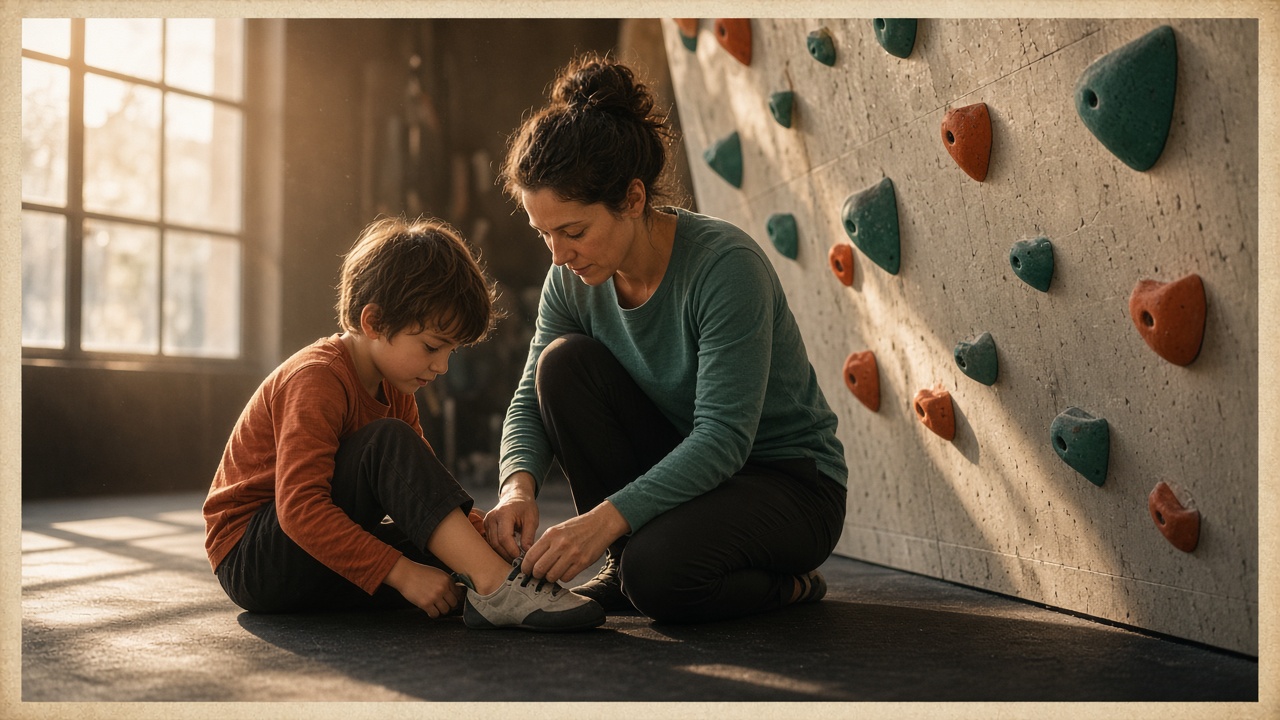
If your child has started climbing everything in sight - the furniture, the playground equipment, the side of the couch - you may already have a young climber on your hands. Kids rock climbing is one of the fastest-growing youth sports in the country, and for good reason. It builds strength, problem-solving skills, and confidence in a way that few other sports can match.
This guide covers everything a parent needs to know to get started: the right age to begin, how indoor and outdoor climbing compare, what to expect on your first visit, the gear basics, and how to find a good gym near you.
What Is the Right Age to Start Rock Climbing?
There is no universal minimum age for kids rock climbing, and that is part of what makes it so accessible. Most climbing gyms welcome children as young as 5 or 6 for structured beginner programs, though some facilities offer toddler-friendly walls for children 3 and up.
The real question is not age - it is readiness. A child who can follow basic instructions, has enough grip strength to hold onto a handhold, and shows interest in physical challenges is ready to try climbing. Some 4-year-olds fit that description. Some 7-year-olds still need another year.
Here are a few signs your child is ready:
- They enjoy physical activity and like to be challenged
- They can listen to and follow a few simple safety instructions
- They are comfortable with heights (though a fear of heights is not disqualifying - many kids work through it on the wall)
- They can fit into a properly sized climbing harness
For children under 5, bouldering - climbing low walls without a harness or rope - can be a great introduction. Many gyms have beginner-height bouldering areas designed specifically for young children.
One important note for parents: the growth plates in a child's fingers are still developing through adolescence. Serious training with high intensity and difficult moves should wait until a child is closer to their early teens. For younger kids, the focus should be on fun, movement, and building a love for the sport.
Indoor vs. Outdoor Climbing: Where Should You Start?
For most families, an indoor climbing gym is the right place to start. The controlled environment, trained staff, and consistent conditions make it far easier for a child to learn the basics safely and comfortably. You do not need to worry about weather, complex logistics, or finding routes that are appropriate for a beginner.
Indoor climbing offers:
- Consistent conditions regardless of season
- Certified instructors and structured beginner classes
- Routes designed specifically for children and beginners
- Rental gear, so you do not need to invest in equipment up front
- A community of other young climbers and families
Once your child has a foundation in the gym - basic footwork, how to use a harness, understanding of climbing calls - outdoor climbing becomes a natural and exciting next step. Many families spend one to two years in the gym before heading outside, though that timeline varies widely.
Outdoor climbing adds a layer of adventure that many kids find deeply motivating. Real rock has a different texture and feel, routes are not color-coded, and the setting is inherently more wild and memorable. For families that love being outside, it can become a core part of how you spend time together.
That said, outdoor climbing requires more preparation and gear than the gym. You will need to learn about anchors, route finding, and environmental considerations. A guided outdoor experience or a beginner course from a certified guide is a smart way to make that transition. See our getting started page for resources on making the move from gym to outdoor climbing.
What to Expect at Your First Gym Session
Walking into a climbing gym for the first time can feel overwhelming. The walls are tall, the equipment looks unfamiliar, and everyone else seems to know exactly what they are doing. Here is what you can expect so you walk in prepared.
The Intake Process
Most gyms require first-time visitors to complete a brief orientation or sign a waiver. For minors, a parent or guardian must sign on their behalf. Some gyms include a short safety briefing as part of this process, covering things like how to fall safely, how to call out to a belayer, and gym etiquette.
The Two Main Styles of Climbing
Bouldering involves climbing shorter walls - typically 12 to 15 feet - without a rope or harness. There are thick foam pads on the floor to cushion falls. Bouldering is often the friendliest entry point for young kids because there is less gear involved, and they can climb independently without needing an adult to manage a rope.
Top-rope climbing uses a rope that runs up through an anchor at the top of the wall and back down to a belayer - the person on the ground managing the rope. The belayer holds the rope so that if the climber falls, they are caught and lowered safely. Kids as young as 5 or 6 can top-rope climb with a parent or instructor as their belayer.
A Typical First Session
Expect the first session to last one to two hours. If you sign your child up for a beginner lesson (recommended for most families), an instructor will cover the basics: how to put on a harness, how to communicate with their belayer, and foundational movement skills like using their feet rather than pulling entirely with their arms.
After the lesson, many gyms offer open climbing time where kids can practice on their own. Do not worry if your child does not make it to the top on their first try - most kids are so focused on the novelty of being on the wall that the height almost becomes secondary.
A Note on First-Session Nerves
Some kids are immediately fearless on the wall. Others hesitate at first, and that is completely normal. Encourage your child to climb as high as they feel comfortable, and resist the urge to push them higher than they want to go. Confidence on the wall builds naturally over multiple visits.
Gear Basics for Beginner Kids Climbers
One of the advantages of starting at a gym is that you do not need to own any gear right away. Most climbing gyms rent shoes and harnesses, which means your first several visits can be entirely gear-free on your part.
Once your child is going regularly - say, once a week or more - it makes sense to invest in a few basics.
Climbing shoes are the single most important piece of gear. Rental shoes are often worn down and imprecise, while a properly fitted personal pair gives your child better feedback from the wall and a significant advantage on routes. Climbing shoes for kids should fit snugly but not painfully - a good rule is that they should feel tighter than a street shoe but not cause discomfort during climbing.
A harness designed for children is the next priority. Youth harnesses are sized and shaped to fit a child's proportions, with a higher-cut waist and leg loops that can be adjusted as they grow. For bouldering-focused kids, a harness is less critical early on, but any child doing top-rope or lead climbing needs their own properly fitted harness.
Chalk and a chalk bag help keep hands dry, which improves grip. Many kids enjoy having their own chalk bag - it feels like a real piece of climber's kit, and the ritual of chalking up before a hard move adds to the experience.
For a full breakdown of every piece of gear, sizing tips, and product recommendations, visit our Youth Climbing Gear Guide.
How to Find the Right Gym for Your Child
Not all climbing gyms are equally friendly to young climbers. A gym with a thriving youth program will offer structured beginner classes, a youth team for those who want to compete, and staff who are experienced working with children.
When evaluating a gym, look for:
- Dedicated youth programs or beginner classes for children
- A youth competition team (a sign that the gym takes young climbers seriously)
- Staff certifications, particularly from the Climbing Wall Association
- A variety of route difficulties, including plenty at beginner levels
- Bouldering areas with lower walls suited to young kids
- A welcoming, non-intimidating atmosphere
Many of the largest gym chains - including Movement Climbing and Earth Treks - have strong youth programs and locations across multiple cities. Smaller independent gyms often develop a tight-knit community feel that many families prefer.
To find gyms near you, check our climbing gym directory, which lists kid-friendly facilities across the country with details on their youth programs.
Getting Started: Practical Next Steps
Once you have decided to give kids rock climbing a try, here is a simple path to follow:
- Find a gym near you. Use our gym directory or search for climbing gyms in your area that offer youth programs.
- Call ahead or check the gym's website. Ask about minimum age requirements, beginner class schedules, and rental gear availability.
- Book a beginner lesson rather than just open climbing. A short lesson gives your child context, confidence, and correct fundamentals from the start.
- Keep it low-pressure for the first few visits. Let your child set the pace for how high they climb and how hard they push.
- Consider gear after a few sessions. Once you know your child enjoys it, investing in shoes and a harness is worthwhile.
Kids rock climbing rewards patience. The children who fall in love with it early are almost always the ones whose parents let them discover the sport on their own terms, without pressure or high expectations from day one.
Ready to take the next step? Visit our Getting Started guide for a full breakdown of your first steps into the world of youth climbing.